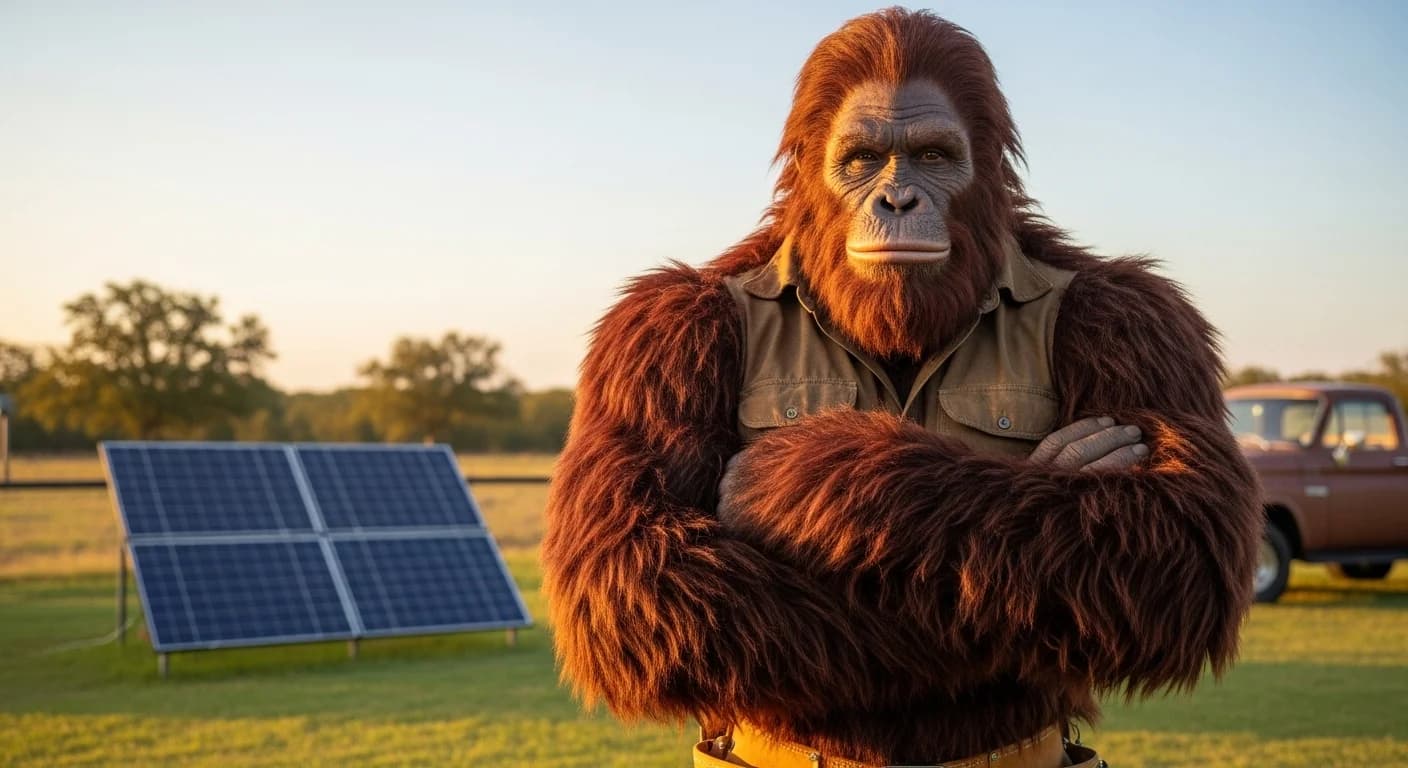
Solar installation is not a weekend hobby. It is high-voltage electrical work performed at height. One mistake can end your independence permanently. Most DIYers prioritize "getting it done" over "getting it done safely" during their off-grid solar installation.

GET THE FREE SOLAR SAFETY CHECKLIST
The complete pre-installation safety checklist used on professional jobs. Covers site assessment, fall protection, and electrical safety.
GET THE FREE SAFETY CHECKLIST →Gravity Always Wins
A six-foot fall onto concrete is life-changing. A twenty-foot fall from a roof is often fatal. I have seen three DIYers in wheelchairs because they skipped a $300 harness. They thought it was "just a quick trip."
High-voltage DC is the other silent killer. Unlike AC, DC current can lock your muscles to the wire. You can't let go. You just burn. Respect the force you are trying to harness, and ensure your system has proper static and lightning grounding to mitigate unexpected surges. Using cheap solar installation tools can also lead to slips or electrical contact that could have been avoided with professional-grade gear.
TL;DR & Table of Contents (click to expand)
The Quick Version:
- Falls kill more than electricity. Wear a harness on every roof.
- DC arcs are permanent. Once an arc starts, it won't stop until the wire melts.
- Torque equals safety. Loose connections are the primary source of solar fires.
- PPE is cheap. Medical bills are not.
Inside This Guide:
1. The Fall Protection Myth: Why Ladders Aren't Enough
Most homeowners think a ladder and a pair of boots is enough. Professional installers know better. Wind gusts, slippery shingles, and heavy panels create a high-risk environment.
You need a full-body harness. You need anchor points rated for 5,000 pounds. You need a lifeline. If you are not tied off, you are not working safely. Don't let your independence end on a stretcher.
2. DC Arc Fault Hazards: The Silent Fire Starter
Alternating Current (AC) crosses through zero volts 60 times a second. This "zero-cross" helps extinguish arcs. Direct Current (DC) does not. A DC arc will sustain itself through air until the equipment is destroyed.
This is why MC4 connectors and cable management matter. A loose wire chafing on a rail will eventually arc. Once it starts, it won't stop. It will burn through the panel, the rail, and your roof.
3. Structural Collapse: The Weight of Independence
Solar panels are heavy. An 8kW array adds over 1,000 pounds to your roof. This is not just a static load. It is a wind sail. In a 70 MPH gust, that array can generate thousands of pounds of uplift.
If your rafters are not verified, the array will pull the roof off. Northern climates have to add snow load to the math. Two feet of wet snow on a solar array can weigh as much as a small car. Verify your rafters before you drill.
4. Essential Safety Equipment List
Don't start without these:
- Full body harness with roof anchors.
- Insulated gloves rated for DC voltage.
- Non-contact voltage tester to verify dead circuits.
- Safety glasses for drilling and cutting.
- Torque wrench to ensure fire-safe connections.
[!IMPORTANT] OffGrid Power Hub earns a commission when you purchase through links on this site. We only recommend products selected through extensive research, verified manufacturer specifications, and field reports from off-grid families. Your price does not change.
Wattson uses the Midnite Solar Surge Protector to prevent lightning damage. Check current pricing on Amazon →
🦍 WATTSON'S WISDOM: THE wheelchair LESSON
"The contractor who said I couldn't do it myself was protecting his business model, not my family."
I watched a neighbor walk out of a hospital in a wheelchair. He was "just checking the wiring" on a ten-degree roof. No harness. He slipped on a patch of ice.
He thought he was saving time. He ended up losing a year of his life. He is lucky to be alive. Every safety step in this guide came from real field experience. Take it seriously.
Frequently Asked Questions
Do I need an electrician for the final connection?
In many jurisdictions, yes. A licensed professional ensures your main panel work meets code. They also provide the permit signature for insurance compliance.
Is DC voltage more dangerous than AC?
Yes. DC creates a constant "pull" on your muscles. It also creates sustained arcs that AC cannot match. 400V DC on a roof is a serious hazard.
How often should I check my safety equipment?
Before every use. Check harnesses for frayed threads. Check voltage testers on a known live circuit. If you drop a harness or anchor, replace it. One fall is all it takes.
Safety is not a checkbox. It is a mindset. If you aren't prepared to work safely, you aren't prepared to be independent. Build slow. Build safe. Build once.
Last Updated: April 2026 | Author: Wattson | US Solar Institute Trained